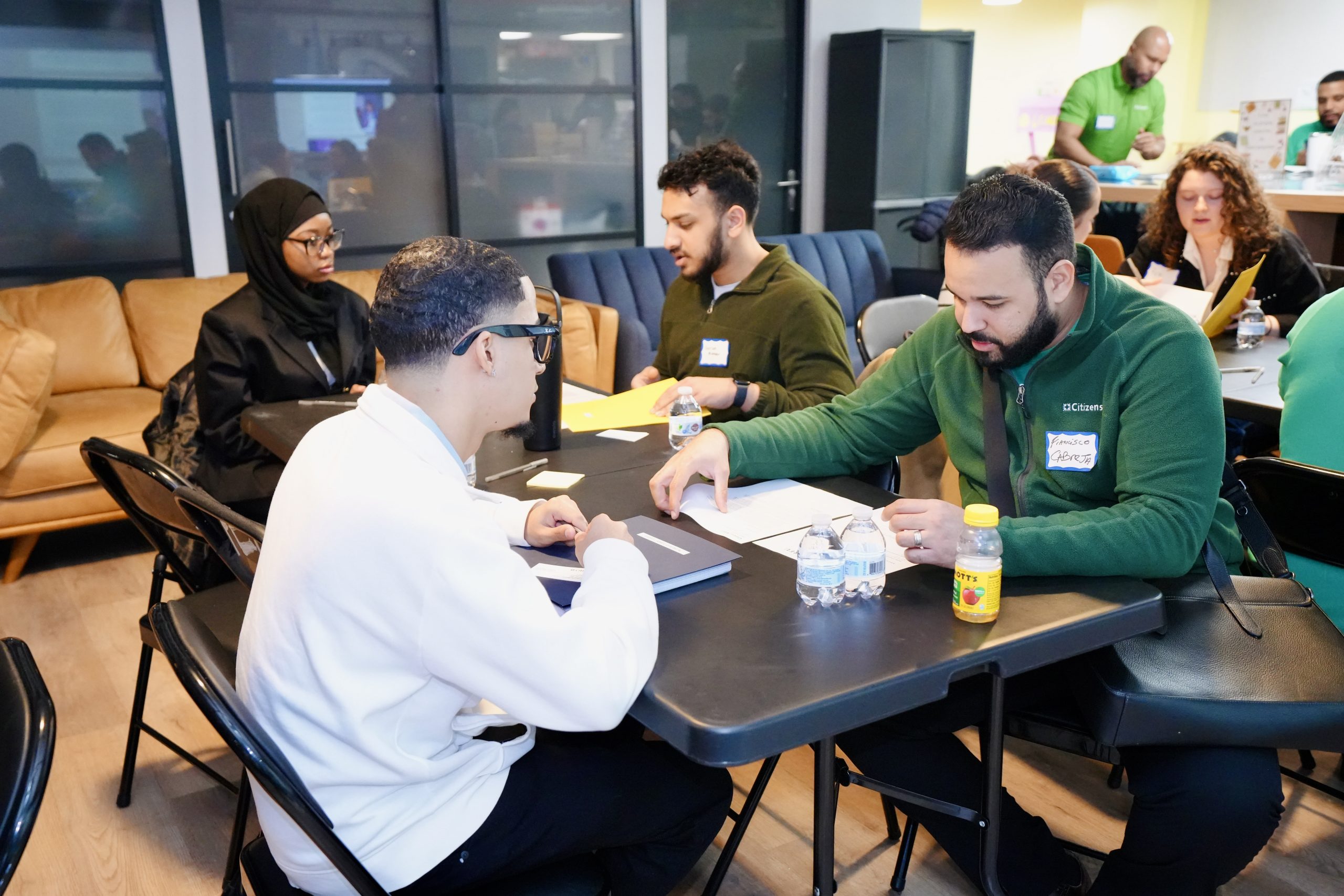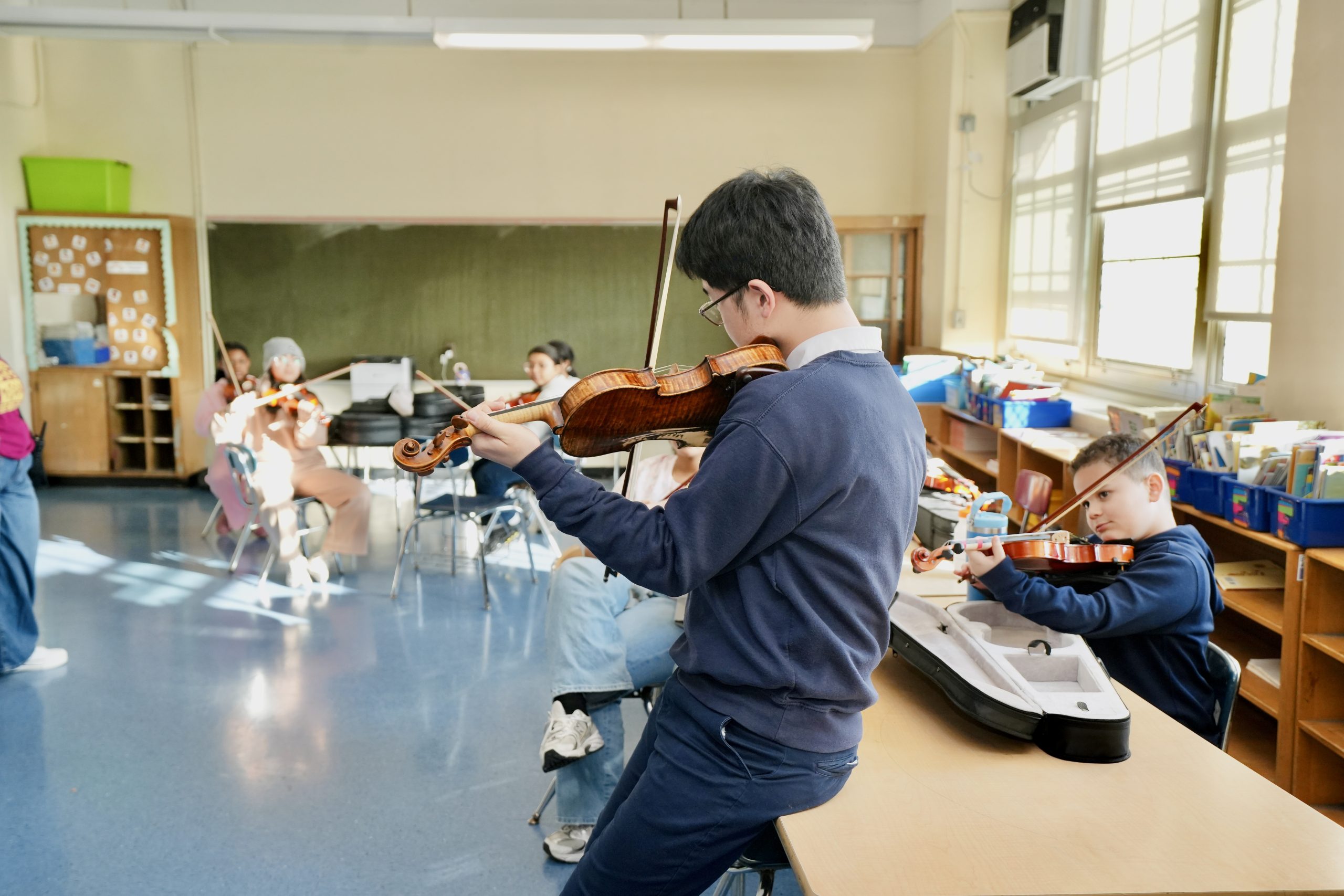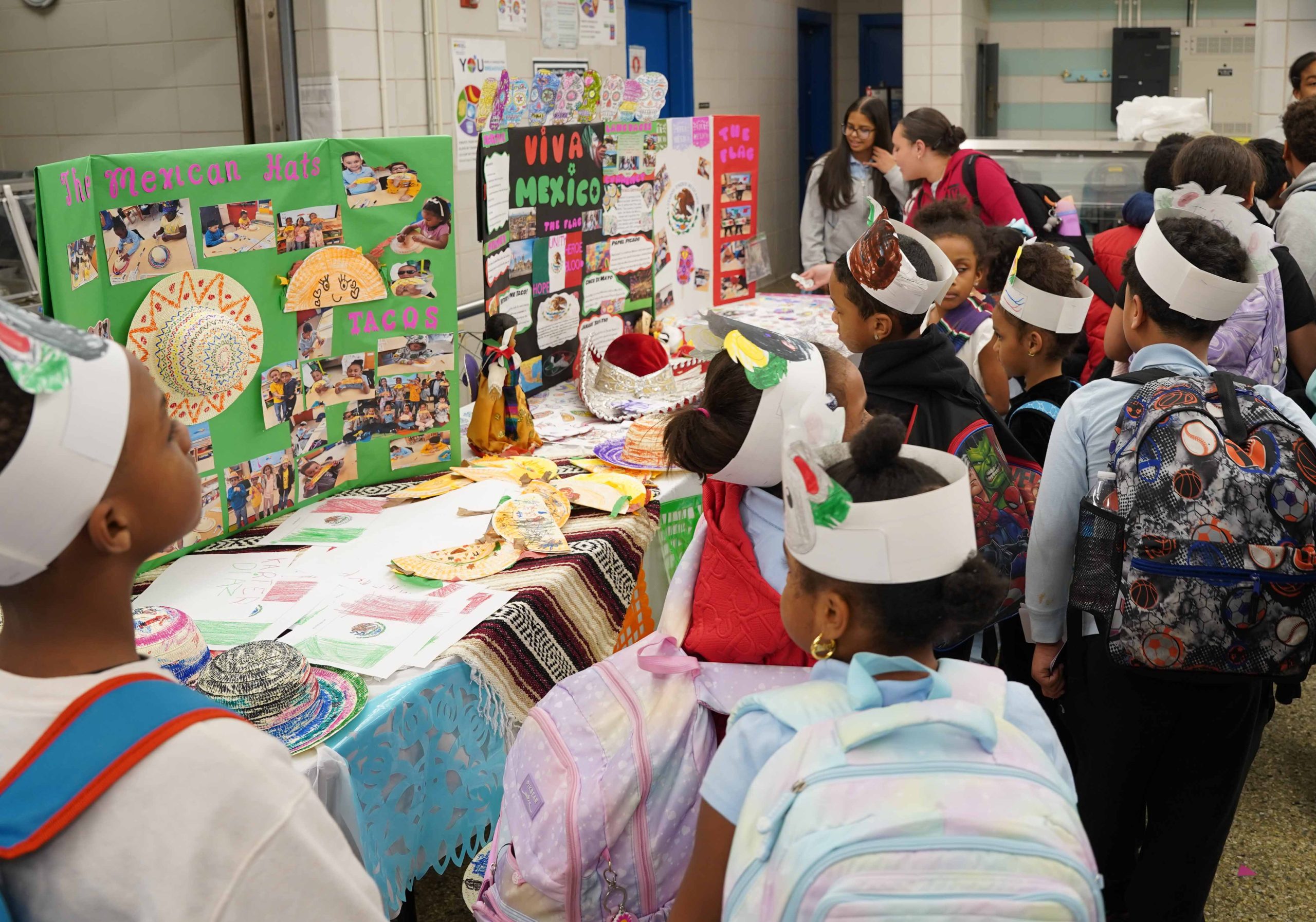
Growing up, you probably heard people refer to themselves as either an art or science person; in fact, you’ve probably already already categorized yourself based on certain criteria. Maybe you’re a math whiz but if someone puts you in front of an easel, you’ll only produce stick figures. Or maybe you can read full-length novels in one sitting and write a 5 page essay with little complaint, but the idea of working in a laboratory setting bores you to tears. Or, it’s absolutely possible that you’re somewhere in the middle, which is good! Often in life, we’ll need skills from both fields; and at CASW, we try to impart this piece of wisdom to all our participants in an effort to educate the well-rounded leaders of tomorrow.
Artistic Personalities: Why Certain Students Shine in the Arts
An artistic personality refers to those who gravitate towards self-expression or subjects like the arts and humanities. In childhood, these are people who might enjoy playing pretend, arts and crafts, or even reading fiction. It is often said the arts and humanities are focused on the “why” of the human experience, and thus any skills gained from artistic practice help us to ascertain the meaning behind social and cultural phenomena. Some examples of the skills common within “artistic” personalities are:
- Critical Interpretation: The ability to look at certain elements of a text, artwork, or piece of media and determine a deeper meaning beyond what is immediately apparent.
- Persuasive Communication: The skill of knowing how to structure your arguments to persuade audiences toward a specific point, often through storytelling or rhetoric.
- Cultural & Ethical Awareness: Understanding cultural and social cues, especially when pertaining to how different cultures may respond to information and the wider implications of certain decisions.
- Divergent Thinking: The ability to generate many possible solutions to a single problem.
- Metaphorical Thinking: The ability to understand analogies and even use them to explain complex concepts – which is vital for teaching and leadership. [1]
Scientific Personalities: Why Certain Students Thrive in the Sciences
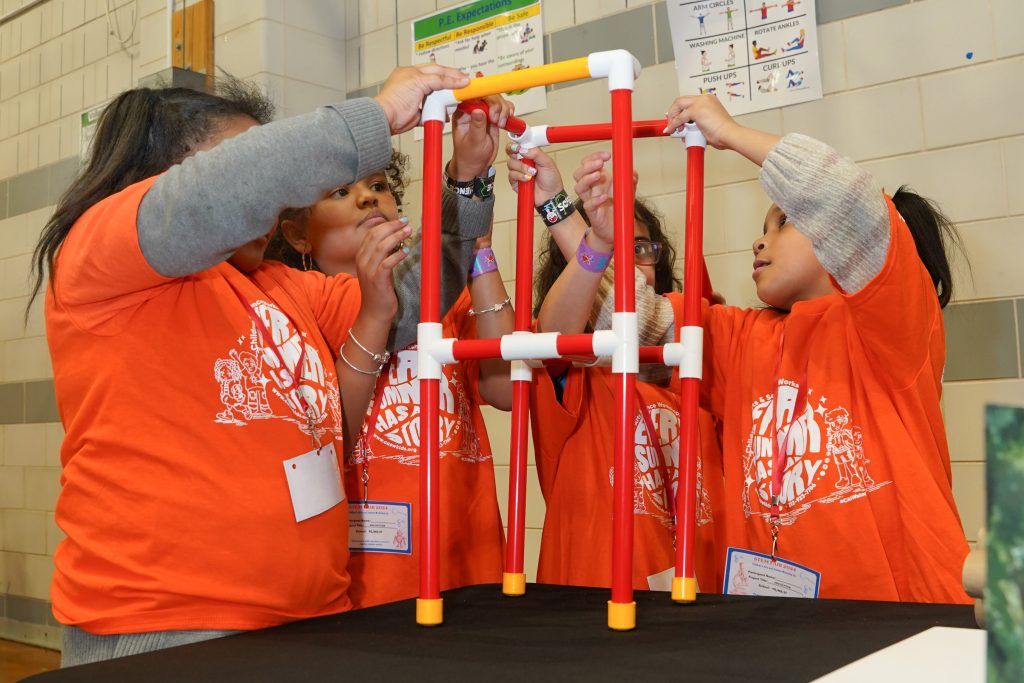
A scientific personality describes individuals who feel pulled toward that which is empirical and readily observable. A scientific personality is someone who might have a lot of curiosity toward how things work, or might have questions about nature itself. These are people who like the black and white nature of numbers, who prefer to build things or even take them apart – just for the sake of understanding them better. Studying STEM related subjects often means obtaining skills that help us determine “how” things work:
- Hypothesis Thinking: A method of reasoning in which one makes predictions and tests them out to arrive at a conclusion.
- Quantitative Literacy: The ability to interpret numerical data and statistical patterns to make conclusions.
- Technical Rigor: An ability to zero in on details and potential errors, which is due to an understanding that a misplaced decimal or miscalculation can lead to an entirely different outcome.
- Convergent Thinking: The ability to take various pieces of information into account and narrow it down to a single, logical conclusion or solution.
- Systems Thinking: Understanding of how individual parts make up a larger system or machine, and how these pieces interact within a larger framework.
Arts and Science: How The Two Overlap
Even on an interpersonal level, both arts and science cultivate skills and mentalities that are extremely crucial for everyday life. For example, more divergent, artistic ways of thinking are associated with warmth, emotional sensitivity, and abstraction – whereas more scientific personalities tend to score higher on traits like perfectionism and rule conscientiousness [2]. Yet, overall, studies have shown that individuals in both fields show aptitude in creative thinking, even if they arrive at that point through different methodologies.
What remains clear is that we need to draw on skills from both fields in order to become more well-rounded individuals – which makes both science and arts programming a necessity!
[1] Escalante, Alison. “Creativity Education Is Equally Important For Careers In STEM And The Arts.” Forbes, Nov. 30, 2020, www.forbes.com/sites/alisonescalante/2020/11/30/creativity-education-is-equally-important-for-careers-in-stem-and-the-arts/.
[2] Doyle, Terrence. “Building Creative Partnerships through Image and Text.” Thinking Skills and Creativity, vol. 9, Aug. 2013, pp. 1-15. https://doi.org/10.1016/j.tsc.2013.01.001.