Do you know how to get the most from your money? Gen Z is perhaps the very first generation in the history of the world to have so much information at their fingertips – but this doesn’t always translate to financial literacy. Sit down with CASW as we speak to our partners at Citizens Bank about their mission to make financial education accessible to young people while also combating misinformation.
Tell us your name and position.
“My name is Julio Reyes. I’m the regional manager for Citizens Bank.”
Tell us a little bit about you orgnization and what your responsibilities are.
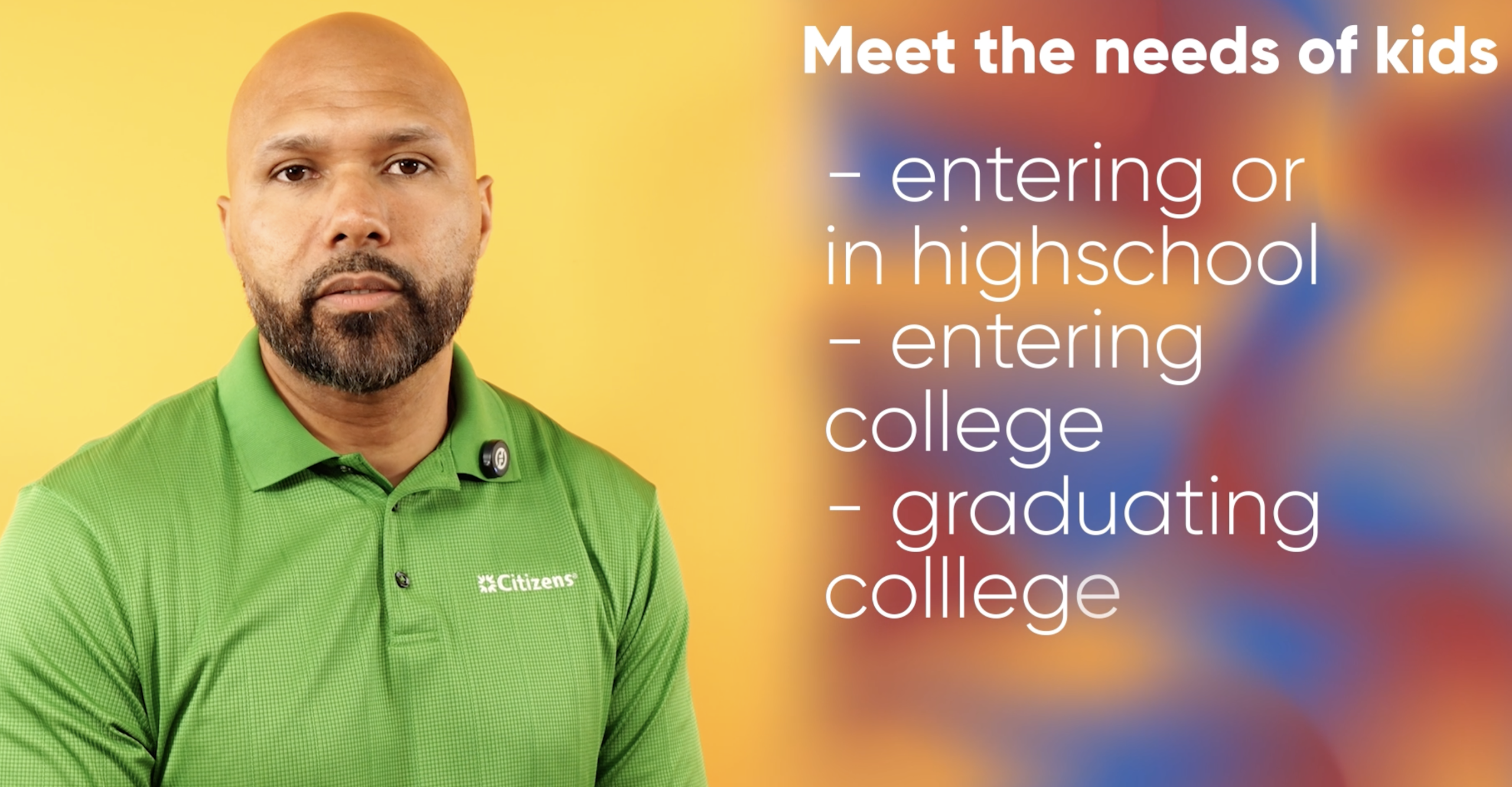
“I cover Bronx County, Westchester County, and southern Connecticut. So Citizens is passionate about serving young adults ages 18 to 24. We realized that they’re the most impressionable when it comes to their financial journey. So we equipped ourselves with a full Citizens Student Hub, which allows us to meet the needs of kids who are entering high school, in high school, and entering college or graduating college. So we’re very proud to support that population.”
What are some challenges facing young people looking to start their financial journey?
“What we’re realizing as a bank is that if we’re not talking to kids about their finances, somebody else is. And given the challenges nowadays with Google and the algorithm, a lot of other providers are giving financial advice that we wouldn’t necessarily want to have access to our population. So if you imagine you Google, ‘How do I make money?’ – You’re going to start receiving different articles and ads on how to make money. So we’re trying to reinsert the banker back into the picture to get them away from the digital options and any predatory advice that might be out there.”
What are some of the dangers of relying on just the internet for financial advice?
“A lot of this generation – when I say ‘Gen Zers’, right? – They tend not to want to engage with an actual person and have a one-to-one conversation. With the nature of digital, you can just download an app and search different topics on how to build your wealth – so they don’t have a human interaction asking them questions in return, giving them the right advice, and, in some cases, telling them that it’s a bad idea. So a lot of the youth nowadays are able to search for things that they want to, click on articles that they want to, and make financial decisions that way – all while circumventing having a human-to-human interaction. So we realized that” [I think] “47% of students who get their advice online end up getting into financial trouble. And I think another 25% end up getting scammed.”
What’s something you’d like us at CASW, and our participants, to keep in mind when it comes to financial literacy?
“Your financial success starts now. You can start saving now. You can start building your credit now. It all starts with being responsible and budgeting, making sure that you understand exactly where your money’s going, whether it’s going to a savings account or to pay for your needs and your wants. You can start building wealth as young as 14, 15, or 16 years old. As long as you have the discipline and the right plan in place. I encourage, whether it’s a nonprofit or a for-profit, to have open conversations around the services and resources that they have available: A lot of the organizations that we work with have very similar missions to what the bank is focusing on, which is making sure we’re getting the right resources, tools, and advice to the right population. So having open dialogue, whether it’s a neighbor across the street, whether it’s an organization that has a location down the road – you know – don’t be afraid to walk in there, spark up a dialogue and ask them, ‘You know, what are you focused on?’ and see if there’s any potential synergies because with many, we can do more, right? As opposed to having two organizations looking in different directions. We can actually work together and meet the needs of the group.”
Any specific advice for opening a bank account?
“Advice for opening your bank account? Stay close to your banker. The banker who opened your account is going to be the one who follows up with you, the one who has advice for you, the one who answers your questions. It’s not just a simple interaction: ‘I have my debit card, my account number, and I’m never coming back.’ You want to have a rolling dialogue with the professional who is going to help you meet your goals. They’ll help you build your credit. They’ll help you save for the future, and they’ll give you the real financial advice that you need to hear at the right time.”
What was your first job?
“My first job? Like, ever? My first job was actually working in Old Navy when I was going to college. Old Navy on White Plains Road in the Bronx. And I soon jumped into banking shortly after that. I always knew I was going to be a banker. I’m in love with money, and I’m in love with giving advice. So my… when I was younger, I used to walk around with a little bag and lend out change to my cousins and charge them a fee. So I always knew I was going to be a banker. But my original job was retail when I was wrapping up school. And then I quickly went into banking.”
What did you do with your first paycheck?
“ First thing I did with my first paycheck? I think I saved it all. I think the first thing I bought was a haircut and a MetroCard, and the rest I put right into my savings account. And I kept a few dollars just for lunch, but I’ve always been super passionate about putting money to the side and saving and building. I was never much of a spender. I was really competitive with myself to see my savings account grow over time.”