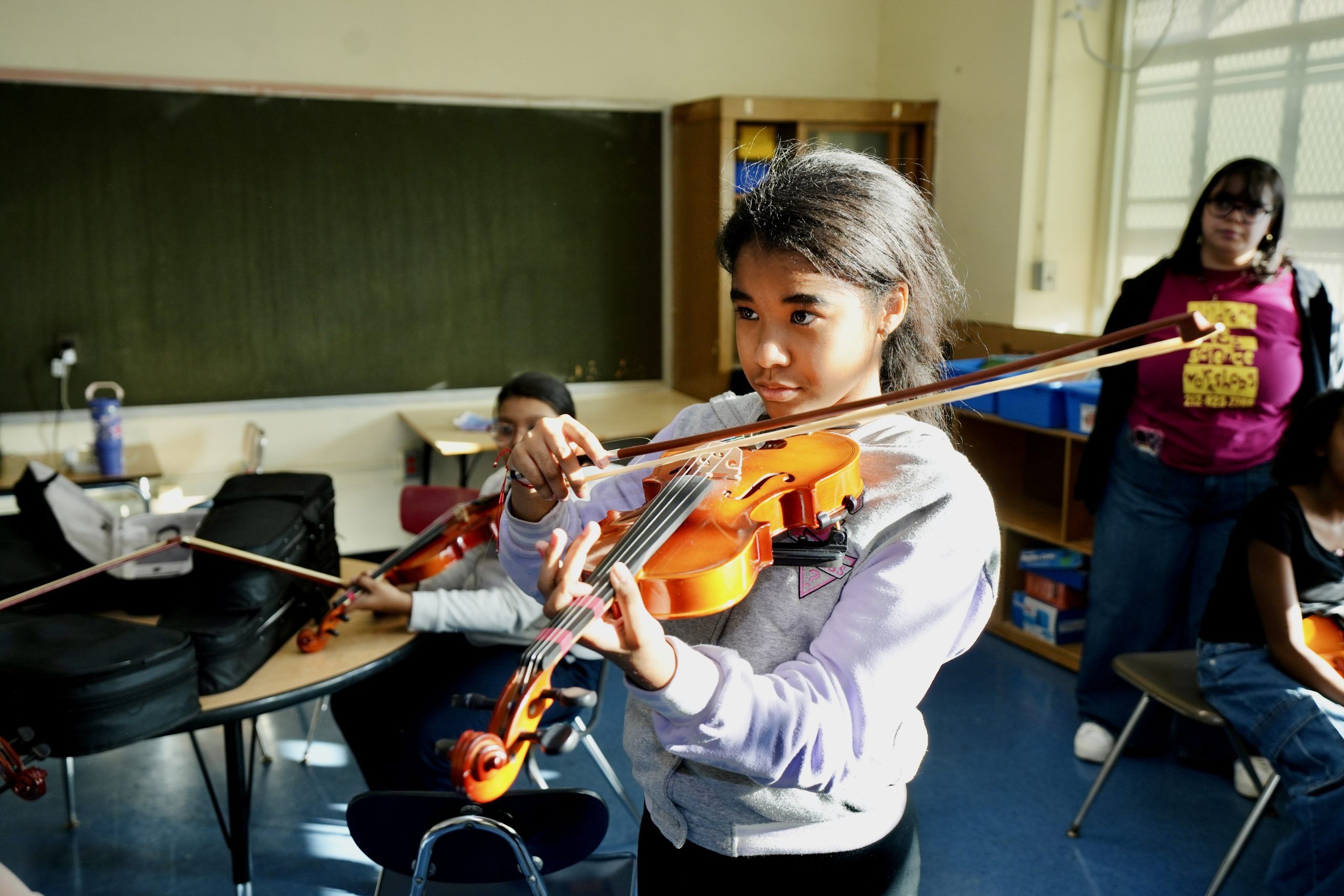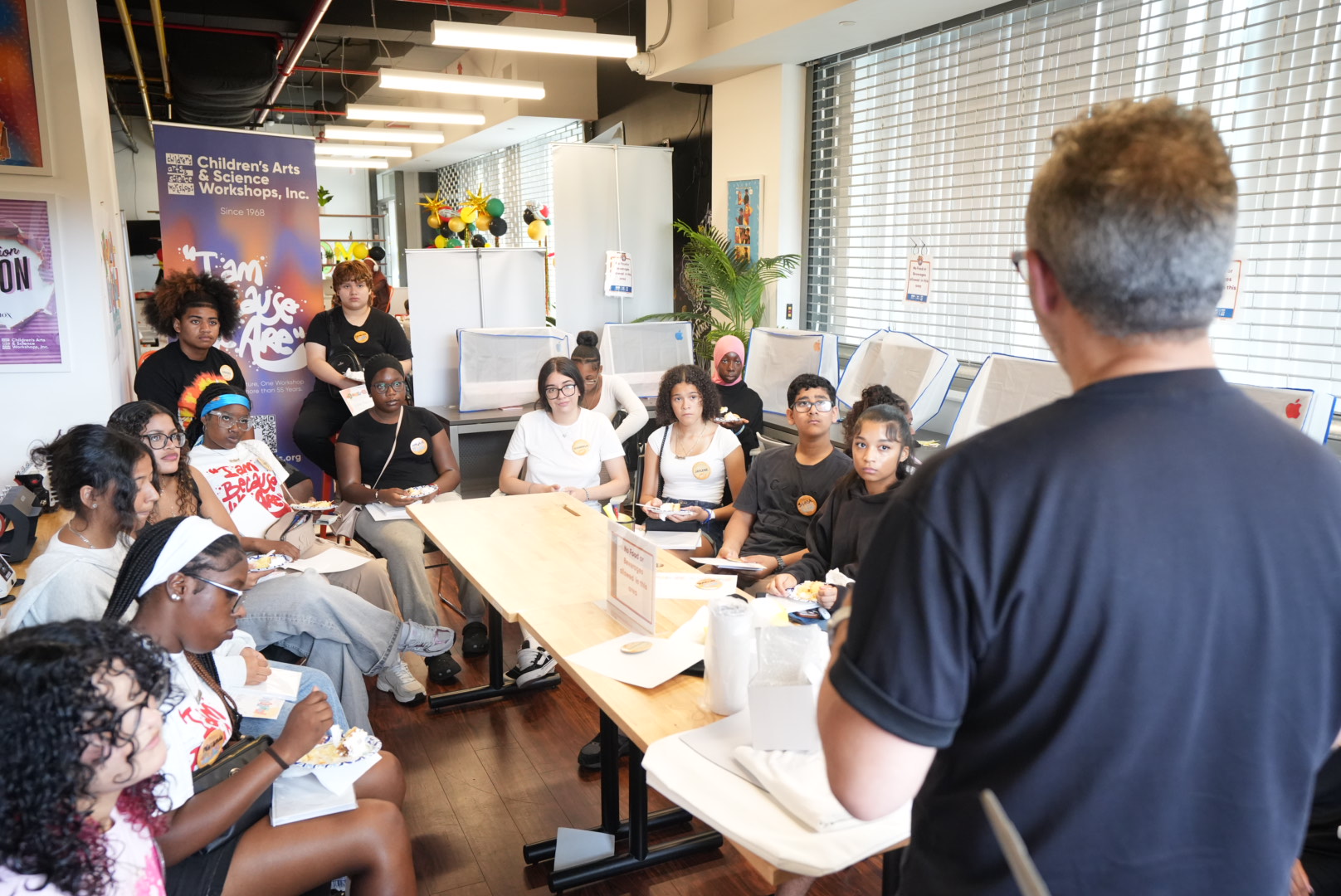
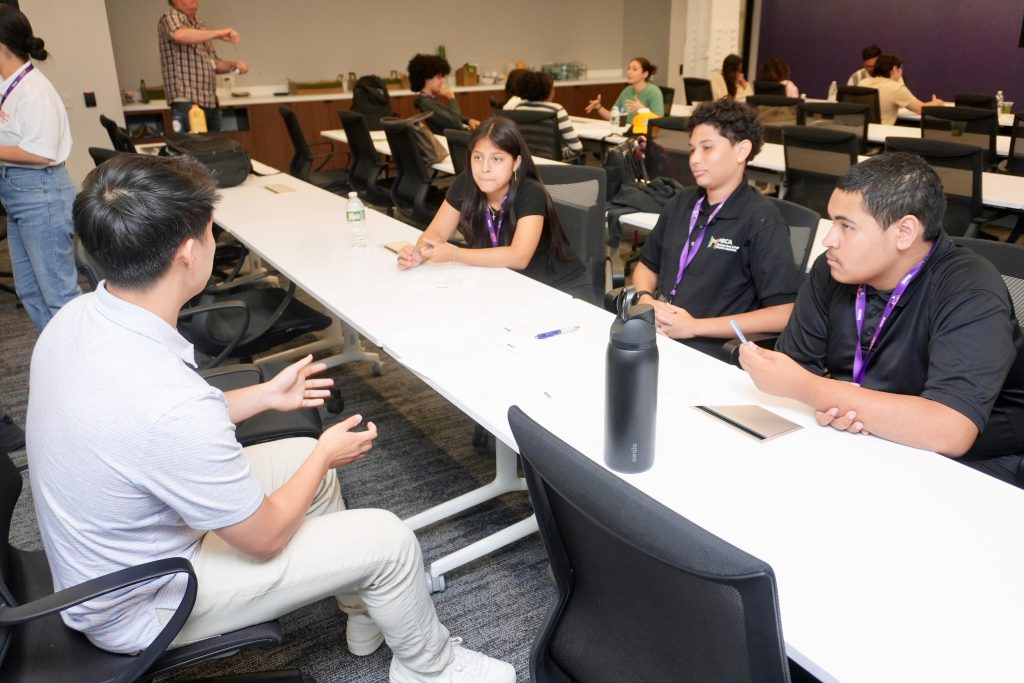
May is mental health month, and that means that CASW is highlighting specific concerns and issues that affect NYC Youth. Being a teen is a time of change and exploration, and with that comes a lot of pressures and even more questions. During this time of unprecedented technology and 24/7 connectivity, both kids and families have new concerns when it comes to their well-being. Here are some of the newest, most popular questions about teens and mental health (YOU CAN READ MORE IN OUR RECENT ARTICLE, LINKED HERE):
What is doomscrolling and what are the effects of the adolescent brain?
Doomscrolling is defined as the compulsive, endless consumption of negative news/content on social media – so much so that it leads to anxiety and emotional fatigue. This became a buzzword during the COVID-19 pandemic, and amongst adolescents, the habit has been shown to cause reduced attention span, diminished critical thinking, exposure to misinformation, emotional fatigue, and even physical symptoms like difficulty sleeping [5]. Experts generally recommend setting strict boundaries around technology use and avoiding your phone for at least an hour before bedtime.
Are AI chatbots a safe substitute for therapy?
Based on advice from expert organizations like the American Psychological Association and the Jed Foundation, AI chatbots are generally not considered safe or appropriate for teenagers seeking mental health support [1][6]. Keep in mind, we say this with the intent to inform and not judge – while AI chatbots can be helpful in connecting people with resources and providing an outlet for self-expression, they lack regulation, scientific efficacy for effectiveness, and are unable to safely manage emergency situations. Young people are generally advised to set healthy boundaries with AI as they do with any technology, and seek out real-world connections and help from trusted adults.
What is “academic burnout,” and what’s the difference between that and depression?
“Academic burnout” is a context-specific condition caused by stress related to academic expectations and overwork. It usually results in exhaustion, cynicism, and apathy towards school and work – however, time away from these factors usually improves symptoms. In contrast, depression is a clinical condition characterized by feelings of hopelessness, despair, frustration, or general loss of enthusiasm [2]. Whereas people suffering from academic burnout usually maintain a sense of self-worth outside of their studies, depression is defined by lower self-esteem in all aspects of life. If you or someone you know might be suffering from either, it’s important to seek help from a trusted source or the resources below.
Is irritability a sign of anxiety in teenagers?
Yes, many experts agree that irritability is an overlooked sign of anxiety for everyone, but most especially teenagers. When we think of anxiety, we might associate the condition with fear – but feelings of overwhelm can lead to a “short fuse” and a tendency to “act out” among adolescents. To get a better idea, parents and guardians are advised to keep a look out for other indicators, such as difficulty sleeping, concentration issues, and social withdrawal [3].
Why is my teen refusing to go to school?
Often, when teenagers refuse to go to school, it is often because of underlying issues such as anxiety, bullying, depression, or academic struggles. What seems like rebellion is often indicative of something much deeper; stay calm and talk to the teen in your life to determine the root cause and be prepared to collaborate with school staff or a health professional for further guidance [4].
References:
[1] American Psychological Association. (2026, February 2). Your teen turned to AI instead of you. What experts say parents can do. https://www.apa.org/topics/artificial-intelligence-machine-learning/teens-chatbots-parents
[2] Lin, Y., Pan, S., He, J., Cheng, Q., Wei, H., & Zhao, L. (2025). The relationship between depression and academic burnout among undergraduate students majoring in eldercare services: A moderated mediation model. Frontiers in Psychology, 16, Article 1632556. https://doi.org/10.3389/fpsyg.2025.1632556
[3] New Harbor Behavioral Healthcare. (n.d.). Teen anxiety and irritability: Are they related? https://newharborbh.com/teen-anxiety-and-irritability-are-they-related/
[4] Newport Editorial Team. (2025, January 22). Is your teenager refusing to go to school? Learn when to take it seriously.Newport Academy. https://www.newportacademy.com/resources/restoring-families/school-refusal/
[5] Salamon, M. (2024, September 1). Doomscrolling dangers. Harvard Health Publishing. https://www.health.harvard.edu/mind-and-mood/doomscrolling-dangers
[6] The Jed Foundation. (n.d.). Why your teen shouldn’t be using AI companions—and what to do if they are.https://jedfoundation.org/why-your-teen-shouldnt-be-using-ai-companions-and-what-to-do-if-they-are/
Mental Health Resources:
Suicide and Crisis Lifeline (Call or text 988)
Crisis Text Line (Text HOME to 7417 41)
NYC Well
1-888-NYC-WELL (free, confidential, 24/7)